CCTV News:According to the website of the Ministry of Finance, 2022 is an important year for China to build a socialist modern country in an all-round way and March into a new journey towards the goal of the second century. In the first half of the year, faced with the complicated and severe international situation and the arduous and arduous tasks of domestic reform, development and stability, under the strong leadership of the CPC Central Committee with the Supreme Leader as the core, all localities and departments conscientiously implemented the decision-making arrangements of the CPC Central Committee and the State Council, effectively coordinated the prevention and control of epidemic situation and economic and social development, intensified macro-policy adjustment, effectively implemented a package of policies and measures to stabilize the economy, and solidly carried out the work of "six stabilities" and "six guarantees". The rebound of epidemic situation was effectively controlled, the national economy stabilized and rebounded, and people’s livelihood was effectively guaranteed. In the first half of the year, the GDP increased by 2.5% year-on-year, and in the second quarter, the GDP increased by 0.4% year-on-year. The main indicators stopped the downward trend and achieved positive growth.
Since the beginning of this year, financial departments at all levels have adhered to the guidance of the Supreme Leader’s Socialism with Chinese characteristics Thought in the New Era, carried forward the great spirit of party building, adhered to the general tone of striving for progress while maintaining stability, implemented the new development concept completely, accurately and comprehensively, accelerated the construction of a new development pattern, conscientiously implemented the requirements of "active fiscal policy should improve efficiency and pay more attention to accuracy and sustainability", strengthened the overall planning of financial resources, and implemented a new combined tax and fee support policy. Taking into account the needs of steady growth and risk prevention, appropriately reduce the deficit ratio, rationally arrange the debt scale, ensure the intensity of fiscal expenditure, optimize the focus and structure of expenditure, promote the sinking of financial resources, continuously improve people’s livelihood, strictly enforce financial discipline, and strive to stabilize the macro-economic market.
First, increase efforts to reduce burdens and relieve difficulties and enhance the vitality of market players. Adhere to the combination of phased measures and institutional arrangements, and reduce taxes, refund taxes and delay taxes simultaneously. Vigorously improve the system of value-added tax credit and tax refund, and implement large-scale tax refund for tax credit. Increase the deduction ratio of R&D expenses of small and medium-sized science and technology enterprises to 100%. Small-scale taxpayers are exempted from value-added tax in stages. Reduce the purchase tax of some passenger cars in stages. We will continue to implement the policy of tax reduction and fee reduction to support manufacturing, small and micro enterprises and individual industrial and commercial households, and increase the scope of reduction and exemption and expand the scope of application. Strengthen financing support for small and medium-sized enterprises, and comprehensively use financing guarantees, loan interest subsidies, incentives and subsidies to guide and incite financial resources to flow to small and medium-sized enterprises. Staged holdover of social security fees and efforts to expand the scope. We will promote the employment priority policy, improve the quality and strength, continue to implement the unemployment insurance return policy, and implement interest subsidies and awards for entrepreneurial guarantee loans. It is estimated that the annual tax rebate and tax reduction will be about 2.64 trillion yuan, of which the tax rebate will be about 1.64 trillion yuan.
The second is to maintain an appropriate expenditure intensity and optimize the financial expenditure structure. Deficit ratio is appropriately lowered to about 2.8%. Through certain state-owned financial institutions and franchisees, the balance of profits in recent years was turned over according to law and transferred to the budget stabilization fund, etc., and the national general public budget expenditure was arranged to be 26.71 trillion yuan, an increase of more than 2 trillion yuan over the previous year, and the available financial resources were significantly increased. Optimize the structure of fiscal expenditure, give priority to supporting key projects that have been included in the national "Fourteenth Five-Year Plan" outline and key special plans, moderately advance infrastructure investment, and increase support for scientific and technological research, ecological environmental protection, basic people’s livelihood, modern agriculture and other fields and major regional strategies.
The third is to arrange local government special bonds reasonably to ensure the construction of key projects. The overall leverage ratio of the government was basically stable, and the amount of special bonds for local governments was 3.65 trillion yuan, which was the same as that of the previous year. After being reported to the National People’s Congress Standing Committee (NPCSC) for the record, the special bond quota of 1.46 trillion yuan was issued in advance in December 2021, and all the special bond funds used for project construction were issued to local governments before the end of March. Adhere to the principle of "funds follow the project", make a deep and detailed reserve of special bond projects, make full use of special bonds as a major project capital policy, optimize the investment fields of special bonds, include new infrastructure and new energy projects in the key support scope, strictly supervise the use of funds, and focus on supporting projects under construction that can start as soon as possible, and expand effective investment. From January to June, all localities issued a total of 3.41 trillion yuan of new special bonds, basically completing the issuance task.
The fourth is to promote the sinking of financial resources and support the grassroots to do the work of "three guarantees". Greatly increase the scale of transfer payments from the central government to local governments, especially general transfer payments, and tilt to difficult areas and underdeveloped areas. The central general public budget allocated nearly 9.8 trillion yuan to local transfer payments, an increase of about 1.5 trillion yuan, an increase of 18%, and the growth rate was significantly higher than in previous years. The provincial finance also sinks its financial resources to the maximum extent, supporting the grassroots to implement the policy of helping enterprises to bail out and ensuring basic people’s livelihood, wages and operation. Improve the direct mechanism of normalized financial funds, further expand the scope, and promote the rapid and accurate release and use of funds.
Fifth, adhere to the tight life of party and government organs and promote the construction of conservation-oriented organs. The central government took the lead in living a tight life, focusing on ensuring rigid expenditures and urgently needed expenditures, strictly controlling general expenditures, strengthening the budget management of "three public funds", and striving to reduce administrative operating costs. In 2022, the expenditure of the central government decreased by 2.1%. Local governments at all levels are strict and tight, freeing up more financial resources to improve basic people’s livelihood and support the development of market players, so as to effectively save money for the people. We will improve the financial expenditure restraint mechanism, revitalize the financial stock funds and idle assets, promote the sharing of assets in administrative institutions, constantly improve the institutional system for living a tight life, and strengthen the evaluation of implementation.
Sixth, strict financial discipline and financial order in put in order. Strictly implement financial laws and regulations and management regulations, tighten the "cage" of the system, and resolutely safeguard the seriousness of the system. Manage and make good use of financial funds and standardize income and expenditure behavior. Improve the tax collection and management system and severely crack down on tax evasion and tax fraud according to law. Further standardize the financial audit order and curb financial fraud. Organize and carry out special rectification actions of local financial and economic order, strictly investigate the serious violations, and make financial and economic discipline an untouchable "high-voltage line".
In the next step, the financial department will conscientiously implement the decision-making arrangements of the CPC Central Committee and the State Council, adhere to the principle of stability, strive for progress in stability, implement the requirements of preventing the epidemic, stabilizing the economy, and ensuring safety in development, effectively coordinate the prevention and control of the epidemic and economic and social development, coordinate development and safety, increase macro-policy adjustment, plan incremental policy tools, arrange ahead, speed up the pace, and make timely efforts to continue to do a good job in "six stabilities" and "six guarantees"
First, the financial operation suffered from the impact of epidemic situation and other factors, and the budget implementation was generally good.
This year, China’s economic operation started smoothly, and the national general public budget revenue increased by 10.5% in January and February. In March, due to the complicated situation and epidemic situation at home and abroad, the growth rate of income in that month dropped to 3.4% year-on-year. In April and May, the fiscal revenue declined due to the influence of the centralized implementation of the VAT tax refund policy. With the gradual improvement of the epidemic situation and the effect of stabilizing the economy, the fiscal revenue stabilized and rebounded in June, with an increase of 5.3% after deducting the tax rebate factor, and the growth rate turned from negative to positive. In that month, the fiscal revenue of 25 provinces in China achieved positive growth. Overall, the budget implementation in the first half of the year was generally good.
(1) Affected by the epidemic and other factors, the growth rate of national fiscal revenue has declined.
In the first half of the year, the national general public budget revenue was 10,522.1 billion yuan, a cumulative increase of 3.3% after deducting the tax rebate factor, and a year-on-year decrease of 10.2% in natural terms. Affected by epidemic situation, industrial structure and other factors, regional fiscal revenue differentiation is more obvious. After deducting the tax rebate, the revenue of the central and local general public budgets increased by 1.7% and 4.7% respectively, while the revenue of the eastern, central, western and northeastern regions increased by -1%, 13.7%, 16.5% and -3.5% respectively. The income growth in the central and western regions is relatively high, mainly driven by the increase in energy and resources industries, in which Shanxi, Inner Mongolia, Shaanxi and Xinjiang increased by 44%, 49.4%, 34.7% and 40.9% respectively, and maintained a rapid growth trend. In the eastern region, Fujian, Shandong and Zhejiang maintained steady growth, with the growth rates of 6.7%, 6.3% and 4.2% respectively after deducting the tax refund factor; Guangdong decreased slightly by 0.5%, which was 2.5 percentage points narrower than that in January-May, with an increase of 8.9% in June.
In the first half of the year, the national tax revenue increased by 0.9% after deducting the tax refund factor, showing a gradual recovery trend, and decreased by 14.8% according to the natural caliber. After deducting the tax rebate, the domestic value-added tax decreased by 0.7%, among which, it decreased by 1.1% in June, which was significantly narrower than that in April and May, mainly due to the gradual improvement of industrial added value, service industry production index and other related economic indicators. Corporate income tax, personal income tax, value-added tax on imported goods and consumption tax increased by 3.2%, 8.7% and 14.9% respectively. Revitalizing idle assets through multiple channels led to an increase in non-tax revenue. In the first half of the year, the national non-tax revenue was 1,965.7 billion yuan, an increase of 18%.
(two) to ensure the intensity of fiscal expenditure, expenditure protection in key areas.
We will increase the overall planning of financial funds, turn over the profits accumulated in recent years according to law through specific state-owned financial institutions and franchisees, and transfer them to the budget stabilization fund to maintain an appropriate expenditure intensity. In the first half of the year, the total expenditure of the national general public budget was 12.89 trillion yuan, a year-on-year increase of 5.9%, which was higher than the increase of fiscal revenue. Among them, the central government’s expenditure at this level was 1,563 billion yuan, a year-on-year increase of 5.8%; Local expenditure was 11,325.7 billion yuan, a year-on-year increase of 5.9%.
We will optimize the structure of fiscal expenditure, give priority to supporting key projects that have been included in the outline of the 14 th Five-Year Plan and key special plans, and increase support for scientific and technological research, ecological environmental protection, basic livelihood, modern agriculture and other fields and major regions. Among them, the expenditure on science and technology was 434.5 billion yuan, a year-on-year increase of 17.3%; Transportation expenditure was 635.5 billion yuan, a year-on-year increase of 12%; Expenditure on agriculture, forestry and water was 1,038.3 billion yuan, up 11% year-on-year; Health expenditure was 1,125.9 billion yuan, a year-on-year increase of 7.7%; Education expenditure was 1,920.8 billion yuan, a year-on-year increase of 4.2%; Expenditure on social security and employment was 2,019.7 billion yuan, a year-on-year increase of 3.6%.
Accelerate the progress of fiscal expenditure. After the National People’s Congress approves the budget, the central government will complete the departmental budget approval on the same day, and at the same time pay close attention to the transfer payment budget. Up to now, except for some funds such as factual settlement, all other qualified transfer payments have been issued. Closely track the implementation of local and departmental budgets, supervise and guide the strengthening of budget implementation management, and promote the early implementation of funds and policies.
(3) Continue to live a tight life and make better use of financial resources.
Adhere to the requirement of tight days throughout the whole process of budget implementation, which not only fully guarantees the necessary expenditure demand, but also strictly controls the expenditure barrier, hardens the budget constraint, strictly controls the general expenditure, and fully guarantees the key expenditure. The central government takes the lead in living a tight life. On the basis of the negative growth of the central government’s expenditure for two consecutive years, the central government’s expenditure will continue to be negative in 2022, down by 2.1%. During budget implementation, the supplementary budget shall be strictly controlled, and the newly-added urgently needed expenditure of the department shall be given priority through the existing budget as a whole. For matters that really need to be used, the budget shall be strictly examined and submitted to the State Council for approval before being issued. Vigorously revitalize the department’s stock funds and idle assets, and recover the surplus funds and carry-over funds that have not been used up for two consecutive years in accordance with the regulations to avoid idle funds. Evaluate the tight life of the central departments on a quarterly basis, link the evaluation results with the budget arrangement, and urge to strengthen the awareness of thrift. At the same time, local governments should be guided strictly to ensure that precious funds are used in critical areas of development and urgent needs of people’s livelihood.
Second, increase efforts to help enterprises bail out difficulties and focus on stabilizing the macroeconomic market.
In view of the needs of market players, we improved fiscal macro-control, paid attention to the coordinated combination of various policy tools, implemented new combined tax and fee support policies, and continuously increased the efforts to reduce burdens and bail-outs. In the first half of the year, 507.4 billion yuan of tax rebates were added and 1,845.5 billion yuan of tax rebates were processed, which effectively boosted the confidence of market players, enhanced the endogenous motivation for development, and promoted stable and healthy economic development.
(1) Accelerating the implementation of the tax reduction and tax rebate policy.
First, the value-added tax allowance is refunded in advance on a large scale. Focus on small and micro enterprises and key industries to increase tax refund. All qualified small and micro enterprises and six industries, such as manufacturing, will be included in the scope of policy implementation, and further expanded to seven industries, such as wholesale and retail. The incremental tax allowance will be refunded in full every month and the stock tax allowance will be refunded in full at one time. The total amount of new tax refund for the whole year is about 1.64 trillion yuan. Accelerate the progress of tax refund. Priority will be given to small and micro enterprises, and the stock of medium and large enterprises will be reserved for tax refund in advance. Among them, the remaining tax credits of micro-enterprises and small-scale enterprises will be refunded before April 30 and June 30, 2022 respectively; The stock tax allowance for medium-sized enterprises will be implemented in advance on May 1st and returned centrally before June 30th; Large-scale enterprises’ stock tax allowance will be implemented ahead of June 1 and returned centrally before June 30 to ensure the accelerated release of policy dividends. Strengthen the guarantee of treasury funds. The central government has arranged a special transfer payment of 1.2 trillion yuan to support the grassroots to implement tax reduction and fee reduction and key people’s livelihood, and all of them have been issued; Establish a separate allocation and pre-allocation mechanism for tax refund funds, pre-allocate monthly and roll liquidation to ensure the funds needed for local tax refund, and bring the funds into the direct monitoring system to ensure the timely refund of funds. From April 1 to June 30, the country handled 1,722.2 billion yuan of tax refund for 1.865 million taxpayers. In addition, in the first quarter, it continued to implement the previous old policy of tax refund for tax refund, and in the first half of the year, a total of 1,845.5 billion yuan of tax refund was refunded to taxpayers’ accounts.It has reached 2.9 times the scale of tax refund in the first half of last year, and successfully realized the "big head landing" of the tax refund policy.
Second, other tax reduction and fee reduction policies to support manufacturing, small and micro enterprises and individual industrial and commercial households will continue to be implemented. Small-scale taxpayers are exempted from value-added tax in stages. Expand the scope of application of the "six taxes and two fees" relief to small and meager profit enterprises and individual industrial and commercial households. For small and micro enterprises, the annual taxable income of 1 million yuan to 3 million yuan will be halved, and the actual tax burden will be reduced to 5%. We will intensify the implementation of the policy of adding and deducting R&D expenses, increase the proportion of adding and deducting R&D expenses of small and medium-sized science and technology enterprises to 100%, and improve policies such as accelerated depreciation of equipment and appliances. In the first half of the year, the preferential policy of "six taxes and two fees", the reduction of value-added tax for small-scale taxpayers and the increase of income tax incentives for small and micro enterprises reduced the burden on taxpayers by 83 billion yuan, 79.3 billion yuan and 47.7 billion yuan respectively.
Third, industries with special difficulties have received precise assistance. The public transportation services such as public transport, which are greatly affected by the epidemic, and the express delivery service of necessary living materials for residents are exempted from VAT. Suspension of air transport and railway transport enterprises to pay VAT in advance for one year. Continue the policy of adding and deducting value-added tax for production and life service industries. In order to stabilize automobile consumption, the vehicle purchase tax will be halved in stages for passenger cars with a displacement of 2.0 liters or less not exceeding 300,000 yuan, which will benefit about 8.7 million passenger cars. Encourage all localities to give relief to taxpayers who have real difficulties in paying urban land use tax.
(two) the extension of the phased holdover of social security fees.
The first is the expansion of the industry. On the basis of implementing three social insurance premium policies of phased holdover for the aged, unemployment and work-related injury in five extremely poor industries, such as catering, retail, tourism, civil aviation and highway, waterway and railway transportation, the holdover policy will be further extended to 17 difficult industries, such as agricultural and sideline food processing industry and textile industry, in which the implementation period of holdover for the aged insurance premium will be until the end of 2022, and the holdover period for work-related injury and unemployment insurance will not exceed one year, and the late payment fee will be exempted during the holdover period.
The second is to postpone the payment. All small and medium-sized enterprises and individual industrial and commercial households with temporary difficulties in production and operation in areas seriously affected by the epidemic can apply for holdover of the unit contributions of pension, unemployment and work-related injury, and the implementation period of holdover will be until the end of 2022, during which the late payment fee will be exempted. Individual industrial and commercial households who participate in the basic old-age insurance for enterprise employees in their personal capacity may voluntarily suspend payment until the end of 2023 if it is difficult to pay the old-age insurance premium in 2022.
The third is to study and introduce incremental policies. We will implement a phased deferred payment policy for employees’ medical insurance units, make it clear that the accumulated balance of the overall fund can be paid in the overall planning area for more than six months. Since July 2022, small and medium-sized enterprises and individual industrial and commercial households insured by units will be deferred for three months, and the late payment fee will be exempted during the deferred payment period, and the "free application and enjoyment" handling mode will be fully implemented.
(3) The employment policy of stabilizing posts has been effective and intensified.
First, the security of employment funds has been increasing. We will give priority to employment. In 2022, the central government allocated 61.758 billion yuan of employment subsidies, an increase of 5.168 billion yuan. At present, 59.758 billion yuan has been allocated to support local governments in implementing employment and entrepreneurship support policies.
Second, the policy of aiding enterprises to stabilize their posts has been effective. Continue to implement the policy of reducing unemployment insurance rates and industrial injury insurance rates by stages until April 30, 2023. We will continue to implement the policy of stable return of unemployment insurance, and increase the return ratio of large enterprises from 30% in 2021 to 50%, and the return ratio of small and medium-sized enterprises from 60% to 90%. Cities and counties in areas with medium and high-risk epidemic in 2022 may grant a one-time stay-at-work subsidy to all insured enterprises that are temporarily unable to operate normally due to the serious impact of the epidemic, according to the standard that each employee participating in unemployment insurance does not exceed that of 500 yuan, and the policy will be implemented until the end of 2022.
Third, the employment of key groups has been carried out in a solid manner. For enterprises that recruit college graduates in the graduation year, sign labor contracts and participate in unemployment insurance, they will be granted a one-time job expansion subsidy according to the standard of no more than 1,500 yuan per person; Small and medium-sized enterprises that recruit college graduates in the graduation year and sign labor contracts for more than one year will be given a one-time employment subsidy. The policy of one-time post expansion subsidy and one-time employment subsidy will not be enjoyed repeatedly, and the two policies will be implemented until the end of 2022. Newly established "Central Special Lottery Public Welfare Fund to Support College Students’ Innovation and Entrepreneurship Education Project" and arranged funds of 100 million yuan to promote the development of college students’ innovation and entrepreneurship education. Introduce the national student loan interest-free and principal deferred repayment policy, exempt the national student loan interest that should be repaid in 2022 by graduate loan students in 2022 and previous years, and the interest-free funds shall be borne by the finance; The repayment of the principal can be postponed for one year without penalty interest, which is expected to benefit more than 4 million college graduates.
With the gradual recovery of the economy and the gradual implementation of various policies to stabilize employment, the trend of rising unemployment rate in urban surveys has been reversed. In the first half of the year, 6.54 million new jobs were created in cities and towns nationwide, and the national average unemployment rate reached 5.7%, and the employment situation generally improved.
(4) Accurate efforts in government procurement.
The first is to facilitate the participation of small and medium-sized enterprises in procurement activities. Urge all regions and departments to strengthen the management of procurement demand, standardize the setting of qualification conditions, flexibly reserve the whole project, reasonably reserve procurement packages, require large enterprises to form a consortium with small and medium-sized enterprises, and require large enterprises to subcontract to small and medium-sized enterprises to ensure the contract share of small and medium-sized enterprises. By increasing the proportion of advance payment, introducing credit guarantee, supporting small and medium-sized enterprises to carry out contract financing, and providing free electronic procurement documents, it is convenient for small and medium-sized enterprises to participate in procurement activities. Pay purchasing funds in time in strict accordance with regulations, effectively reducing the financial pressure on SMEs.
The second is to adjust the price evaluation concessions of small and micro enterprises. Deduct the discount from the original 6%— 10% to 10%— 20%, that is, in the procurement activities, the quotation for small and micro enterprises will be given 10% first & mdash; 20% deduction, after winning the bid, sign the contract according to the actual quotation of small and micro enterprises. The preferential evaluation for large and medium-sized enterprises to form a consortium with small and micro enterprises or for large and medium-sized enterprises to subcontract to small and micro enterprises is changed from 2% to mdash; 3% to 4%— 6%, adding orders, increasing motivation and stabilizing expectations for SMEs.
The third is to increase the reserved share of government procurement projects. In principle, all engineering procurement projects below 4 million yuan are reserved for small and medium-sized enterprises. For the project procurement projects with more than 4 million yuan that are suitable for small and medium-sized enterprises, the reserved share for small and medium-sized enterprises will be gradually increased from 30% to more than 40% in the second half of 2022 on the premise of adhering to the principles of openness, fairness and fair competition and unifying quality standards, so as to further expand the share of small and medium-sized enterprises in obtaining project contracts.
With the active support of the above policies and measures, the contract amount awarded to small and medium-sized enterprises in national government procurement accounts for about 75% of the national government procurement scale.
(5) Financing support continued to increase.
First, inclusive finance’s development support has been further strengthened. In 2022, the central government allocated a special fund budget of 10.707 billion yuan for the development of inclusive finance, and continuously enhanced the ability of financial services to the real economy. In conjunction with relevant parties, the first batch of 83 demonstration zones supported by the central government for inclusive finance’s development were launched, and 2.28 billion yuan of award and compensation funds were allocated to support various localities to build inclusive finance demonstration zones with their own characteristics according to local conditions, so as to promote the expansion, increment, cost reduction and efficiency improvement of inclusive finance’s services.
Second, the small and micro enterprise financing guarantee fee reduction incentive policy continued to be implemented. We will issue 3 billion yuan as bonus for fee reduction of financing guarantee for small and micro enterprises, focus on expanding the scale of first loan, single-family loan of less than 10 million yuan, medium-and long-term loan guarantee and innovative small and micro enterprise guarantee business, increase support for small and micro enterprises in special difficult industries such as transportation, catering, accommodation and tourism, reduce the rate of financing guarantee, and promote the solution of financing difficulties and expensive financing for small and micro enterprises.
Third, the government financing guarantee will expand the scope and increase efficiency. We will expand the coverage of government financing guarantees to small and micro enterprises, clarify the target and task of adding more than 1 trillion yuan of re-guarantee cooperation business to the national financing guarantee fund during the year, and give better play to the countercyclical adjustment role of government financing guarantees. In the first half of the year, the national financing guarantee fund has completed the re-guarantee cooperation business scale of 596.2 billion yuan, an increase of 85% year-on-year; Serving 780,000 market players, up 214% year-on-year; The scale of supporting agriculture with small businesses was 588.9 billion yuan, up 86% year-on-year, and the scale of supporting agriculture with small businesses accounted for 98.78%, up 0.09 percentage points year-on-year.
Third, accelerate the issuance and use of local government special bonds and expand the scope of support to promote the expansion of effective investment.
Accelerate the issuance and use of special bonds, optimize the investment fields of special bonds, and continuously strengthen the management of special bonds, which has better guaranteed the reasonable financing needs of local governments and effectively played a positive role in promoting the expansion of effective investment and stabilizing the macro-economy.
(1) The newly-added special bond quota has basically been issued, so as to promote the formation of physical workload as soon as possible.
According to the requirement of keeping the overall leverage ratio of the government basically stable, in 2022, the National People’s Congress approved a new limit of 3.65 trillion yuan for local government special bonds, which was the same as the previous year. Planning the issuance and use in advance, authorized by the National People’s Congress Standing Committee (NPCSC), in December 2021, the amount of new special bonds was 1.46 trillion yuan, three months earlier than the previous year, and the amount of new special bonds of 3.45 trillion yuan used for project construction at the end of March was all issued. Optimize the allocation of special bond quotas, give full consideration to local financial conditions, debt risk levels, project reserves and other factors, and tilt the allocation to areas with strong solvency and sufficient project reserves. Make full use of special bonds as the capital policy of major projects, optimize the investment fields of special bonds, and require all localities to give priority to special bond funds for key projects included in the national "14 th Five-Year Plan" and major regional development strategies, and resolutely do not spread "pepper noodles." Guide the local authorities to arrange the issuance time in advance, pay close attention to the budget adjustment procedures, decompose the newly issued quotas into cities and counties in time, and promote the formation of physical workload as soon as possible.
From January to June, a total of 3.41 trillion yuan of new special bonds were issued. Among the special bonds issued, 1,169.1 billion yuan was used to support municipal construction and industrial park infrastructure, 577.7 billion yuan for transportation infrastructure, 638.9 billion yuan for social undertakings, 529.6 billion yuan for affordable housing projects, 283.2 billion yuan for agriculture, forestry and water conservancy, 127.6 billion yuan for ecological protection and 80.2 billion yuan for energy and urban and rural cold chain logistics infrastructure, which played an important role in stabilizing the macro-economy. Among them, all localities have arranged more than 240 billion yuan of special bond funds as capital for major projects, effectively giving play to the inciting role of government investment. Under the premise of compliance with laws and controllable risks, guide commercial banks to provide supporting financing support for qualified special bond project construction entities.
(2) Incorporate new infrastructure and new energy projects into the scope of support, and prepare key projects in advance.
Expand the scope of priority support for special bonds. According to the deployment requirements of the State Council, we will study and reasonably expand the scope of special bonds, and on the basis of existing transportation infrastructure, energy, ecological and environmental protection, affordable housing projects and other fields, we will clearly include qualified government investment projects in new energy and new infrastructure areas into the scope of local government special bonds to help the development of emerging industries.
Do a deep and detailed project reserve. Guide the local authorities to do a good job in the normalization of special bond projects in accordance with the requirements of "putting a batch of reserves into storage, issuing and using a batch, and starting construction a batch". In 2022, 71,000 special bond projects will be reserved in two batches. In the first half of the year, the newly issued special bonds supported more than 23,800 projects, including about 10,800 projects under construction and about 13,000 new projects.
(3) Strengthen the supervision and management of bond funds, and further improve the efficiency in the use of funds.
Strictly implement the negative list management of special bonds, and it is strictly forbidden to use bond funds for buildings, halls, image projects, performance projects and non-public welfare capital expenditure projects. Strengthen daily supervision and management, carry out penetrating monitoring of special bond projects, report the progress of early warning of special bond expenditures on a monthly basis, regularly carry out special inspections on the use and management of special bonds, comprehensively tighten the management responsibilities of competent departments and project units, strictly implement the punishment mechanism for handling special bond funds, strengthen the rigid constraints on violations, and promote the legal and compliant use of special bond funds.
Fourth, improve the direct mechanism of normalized financial funds, and release funds quickly and accurately.
Further expand the scope of direct funds, speed up the release and use of funds, strengthen monitoring and management, and the direct mechanism of financial funds works well, with obvious policy effects, and the role of benefiting enterprises and benefiting the people is effectively brought into play.
(a) expand the scope of funds, the total scale of direct funds is about 4 trillion yuan.
All eligible funds for benefiting enterprises and benefiting the people will be included in the direct range, with a total capital scale of about 4 trillion yuan, an increase of about 1.2 trillion yuan over the previous year. In particular, this year’s one-time transfer payments to support grassroots implementation of tax reduction and fee reduction and key people’s livelihood will be included in the direct fund management, and the direct mechanism will effectively play an important role in safeguarding people’s livelihood and supporting grassroots operations. At the same time, local governments are required to include local financial funds corresponding to the direct funds of the central government in the direct scope, and local governments are encouraged to include their own funds for benefiting enterprises and benefiting the people in the direct scope in light of actual conditions, so as to further amplify the effect of the direct mechanism.
(B) quickly issued for use, direct funding effect.
First, the budget funds were quickly released and implemented. In the first half of the year, out of about 4 trillion yuan of direct funds, the central government has allocated 3.992 trillion yuan, accounting for 97.9%. All qualified funds have been allocated, and the outstanding funds are mainly factual settlement projects. The local finance has allocated 3.625 trillion yuan to the fund users, accounting for 90.8% of the central finance, and promoted the timely implementation of funds.
Second, the overall use of expenditure is relatively fast. In the first half of the year, in addition to the funds allocated by local governments to support tax refund, tax reduction and fee reduction, 357,000 projects were arranged through direct funds, resulting in an expenditure of 1.848 trillion yuan, accounting for 57.9% of the 3.192 trillion yuan issued by the central government, 7.9 percentage points higher than the scheduled progress, and the overall use of funds was nearly one month faster. The focus of expenditure is tilted to the grassroots level, with provincial expenditure of 0.646 trillion yuan, accounting for 35%; The expenditure of cities and counties was 1.202 trillion yuan, accounting for 65%.
Third, the policy of benefiting enterprises and benefiting the people has achieved remarkable results. In terms of protecting the main body of the market, all localities not only support enterprises by offsetting income such as tax refund, tax reduction and fee reduction, but also help enterprises through financial expenditure. According to incomplete statistics, related direct benefits to enterprises cost about 350 billion yuan, benefiting 680,000 market participants, totaling 2.56 million times. In terms of ensuring residents’ employment, it is preliminarily estimated that the expenditure directly used for employment exceeds 20 billion yuan, which promotes the implementation of the employment priority policy and stabilizes the employment situation. In terms of ensuring basic people’s livelihood, according to preliminary statistics, the expenditure on basic people’s livelihood such as pension, compulsory education, basic medical care and basic housing reached 1.17 trillion yuan, helping to firmly grasp the bottom line of people’s livelihood.
(3) Strengthen the supervision of funds to ensure that the direct use of funds is standardized, safe and efficient.
First, optimize and improve the direct fund monitoring system. According to the needs of direct funds expansion and efficiency improvement, the system functions are expanded from data tracking to monitoring, early warning and comprehensive analysis. Strengthen the data connection and comparison between the monitoring system and the integrated budget management system, speed up the integration process, and provide strong support for strengthening the direct fund management.
The second is to pay attention to daily monitoring and supervision. Strictly manage the allocation and use of funds, strengthen online monitoring and offline verification, monitor the whole process of fund allocation, disbursement and use, realize the synchronization of fund release and monitoring, urge all localities to grasp the expenditure progress reasonably and orderly, and promote the standardization and early use of funds.
The third is to promote multi-sectoral coordination and coordination. Distinguish the nature and characteristics of different funds and establish a classified supervision system. Strengthen the coordination of auditing, industry authorities and finance, focus on the use of projects based on problems, strengthen the monitoring and supervision of key areas and important links in the use of funds, and promote the implementation of funds and give full play to actual results.
Five, firmly grasp the "three guarantees" bottom line, the local financial operation is stable and orderly.
Always adhere to the "three guarantees" bottom line as a hard task of financial work, in the case of the contradiction between fiscal revenue and expenditure is very prominent, further increase financial support for local governments, compact local responsibilities, strengthen supervision and guidance, monitoring and early warning, and promote the effective protection of "three guarantees" expenditures at the grassroots level and the smooth and orderly operation of local finance.
(1) Sink financial resources to the maximum extent, and greatly increase the scale of transfer payments.
Concentrate financial resources to increase local transfer payments. In 2022, the central government arranged nearly 9.8 trillion yuan for local transfer payments, an increase of about 1.5 trillion yuan over the previous year, with an increase of 18%. The structure was further optimized, and general transfer payments increased by 8.7%, with a moderate tilt to the central and western regions and grassroots. Increase the progress of the central government’s transfer payment to local governments. By the end of June, the central government’s transfer payment rate to local governments reached 92.7%, providing strong support for local governments to do a good job in grassroots "three guarantees" and other work.
(two) strictly implement the responsibility to ensure that the "three guarantees" expenditure is given priority.
In accordance with the principle of "county-level-oriented, municipal-level assistance, provincial-level bottom-up, and central incentives", the graded responsibility system is implemented. The financial operation of established counties (including county-level cities) is mainly responsible by the provincial finance, and the financial operation of municipal districts is mainly responsible by the prefecture-level cities where they are located, and the responsibility of "three guarantees" is always the same. We will improve the incentive and restraint mechanism, and when arranging general transfer payments, the central government will reward areas that have achieved remarkable results in strengthening the "three guarantees" guarantee and improving the county-level financial level and balance. Strengthen work guidance and supervision, require local governments to take the "three guarantees" expenditure as the focus of budget arrangements, adhere to the priority of the "three guarantees" expenditure in fiscal expenditure, and take practical measures to ensure that the salaries and pensions of key groups such as teachers are paid on time.
(3) Improve monitoring and early warning, and effectively prevent the operational risks of grassroots finance.
Further improve the monitoring mechanism of local financial operation, and carry out linkage monitoring and dynamic early warning on local "three guarantees" budget arrangement and implementation, local government debt service, temporary payment, and treasury funds. The local supervision bureaus of the Ministry of Finance shall establish a consultation mechanism with the local provincial financial departments, establish a contact point system with key counties, and deeply understand and dynamically monitor the operation of grassroots finance. For the operational risks of individual counties found in audit supervision and daily monitoring, timely urge the rectification to be in place.
Sixth, support the stability of the supply chain of the industrial chain and help the economic cycle to flow smoothly.
Adhere to the innovation-driven development strategy, continue to strengthen investment in science and technology, innovate and improve policy mechanisms, focus on breaking through the "breakpoints" of the industrial chain and the "blocking points" of the supply chain, and jointly promote the stability of the industrial chain and the smooth economic cycle.
(1) Vigorously promote scientific and technological innovation and continuously improve the level of industrial development.
First, important progress has been made in original and leading scientific and technological research. Focusing on basic research, the central government will allocate 76.614 billion yuan for basic research in 2022, an increase of 7%. Support the implementation of the ten-year plan for basic research, improve the funding system of the National Natural Science Foundation, and encourage the development of basic research and scientific frontier exploration. We will ensure the funding needs of key core technologies and support scientific and technological research in key areas such as epidemic prevention and control, disease prevention and control, seed industry and green and low carbon. We will implement the system of "unveiling the list" and "horse racing", fully guarantee the organization and implementation of major scientific and technological projects, and solve the technical problem of "sticking the neck". According to the principle of "mature one, promote one", promote "scientific and technological innovation 2030— Major projects "to speed up the organization and implementation, and constantly extend the innovation chain, improve the industrial chain.
Second, the national strategic scientific and technological strength has been further strengthened. Establish a stable support mechanism for national laboratory funds, promote the reorganization of national key laboratories, promote scientific research institutions and high-level research universities to play a better role, encourage the reform and development of central-level scientific research institutes, and promote the construction of first-class institutions. Support the construction of high-level scientific and technological talents, and support scientific and technological talents to independently carry out scientific and technological research and development through related projects. We will promote that more than half of the annual budgets of basic scientific research business expenses of scientific research institutes and central universities will be used for young researchers, and high-level talents will be introduced and cultivated.
Third, the reform of science and technology fund management has been further promoted. Optimize and adjust the expenditure structure of science and technology funds, focusing on strategic and key areas. Strengthen the follow-up and supervision of the implementation of "Several Opinions of the General Office of the State Council on Reforming and Perfecting the Management of Scientific Research Funds of the Central Government", strengthen the supervision after the event, and ensure that the autonomy of scientific research funds can be put down, accepted and managed well. Optimize the role of guiding funds for scientific and technological innovation, encourage social forces to increase investment in the transformation of scientific and technological achievements and promote the transformation and application of more scientific and technological achievements by setting up venture capital sub-funds.
Fourth, the innovation vitality of enterprises is effectively stimulated. Increase the deduction ratio of R&D expenses of small and medium-sized scientific and technological enterprises from 75% to 100%, and improve policies such as accelerated depreciation of equipment and appliances. The funding mode of "implementation first, funding later" is adopted, and enterprises and other innovative subjects invest and carry out related scientific and technological activities first, and then give subsidies after acceptance, so as to guide enterprises to become innovative subjects. Focus on industrial demand, start the implementation of relevant national science and technology plan projects, support enterprises to take the lead in setting up innovation consortia to undertake national scientific research tasks, and enhance the independent innovation capability of key core technologies.
(2) The fiscal and taxation policies should be put forward, and the supply chain enterprises in the industrial chain should be promoted to return to work and reach production.
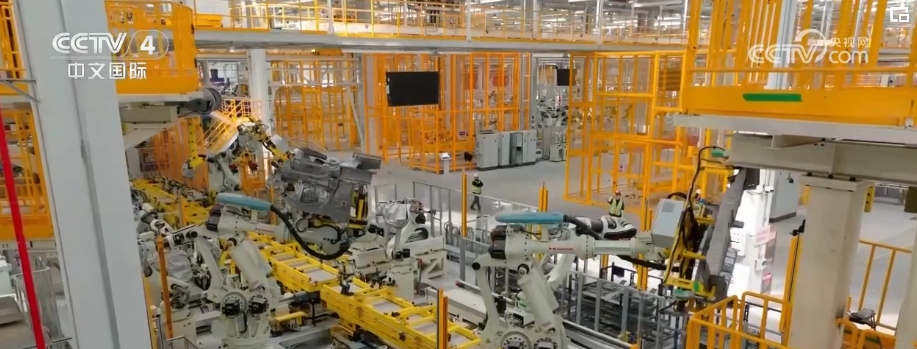
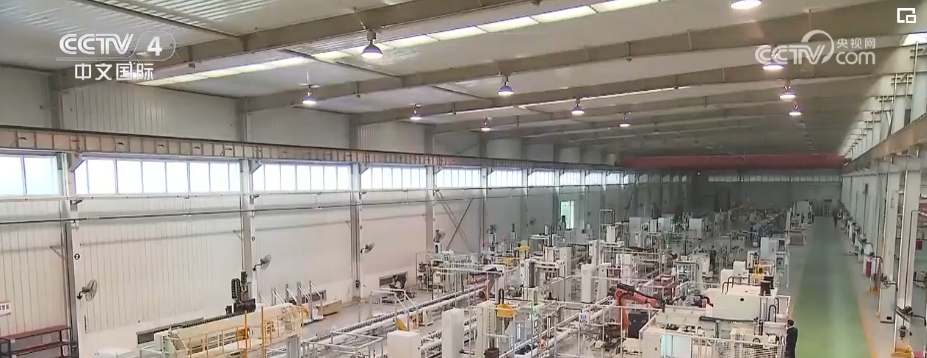
The first is to promote the optimization and upgrading of the industrial chain supply chain. Focus on key industrial chains of manufacturing industry, focus on blocking points and breakpoints, support the breakthrough of short-board weaknesses and the construction of public service platforms, and improve the modernization level of industrial chain supply chain. We will continue to implement the insurance compensation policy for the first (set) of major technical equipment and key new materials, and adopt a market-oriented approach to support the promotion and application of innovative products of major technical equipment and new materials. Give full play to the role of government investment funds in the manufacturing sector, guide social capital to increase investment in integrated circuits, new materials, next-generation information technology and other fields, and ensure the safety of the supply chain of the industrial chain.
The second is to help the high-quality development of "specialized and innovative" SMEs. Adhere to the combination of cultivating excellent enterprises and strengthening industries. At the beginning of June, the central government issued 1.921 billion yuan of special and innovative "Little Giant" enterprises to the relevant provinces, of which 1.086 billion yuan was used to support the addition of 543 key "Little Giant" enterprises, and more than 90% of the newly added enterprises participated in the short-board of key core technologies in sub-sectors, and the cultivation focus was further highlighted. Up to now, the central government has issued a total of 4.68 billion yuan of award and compensation funds to support 1922 key "little giant" enterprises, which has provided strong support for the industrial chain to supplement the chain and strengthen the chain.
The third is to increase the relief efforts for enterprises in industries such as civil aviation that are greatly affected by the epidemic. Suspension of prepayment of value-added tax by branches of aviation enterprises. Refund of tax credit for air transport enterprises. From May 21 to July 20, with the goal of ensuring the minimum number of flights and ensuring safe flight, phased financial subsidies were implemented for domestic passenger flights. According to statistics, in the last week of policy implementation (from July 16th to July 20th), the daily average number of domestic flights reached 9,867, an increase of 119.3% compared with the first week of financial subsidies for domestic passenger flights.
The fourth is to promote the smooth flow of logistics. From May to the end of this year, the income obtained by taxpayers from providing express delivery services for essential living materials for residents will be exempted from value-added tax. Support the national comprehensive freight hub to supplement the chain and strengthen the chain. From 2022, it will take about three years to concentrate on supporting about 30 cities, implement the interconnection of infrastructure and equipment, improve the standards and services of multimodal transport, and build a market-oriented long-term mechanism with multi-participation, which will play an active role in improving recycling efficiency, enhancing recycling kinetic energy and reducing recycling costs, effectively supporting the stability and extending the supply chain of the service industry chain. Among them, in 2022, 5 billion yuan of subsidy funds will be arranged to support about 10 cities to start related work. 2.36 billion yuan was allocated to support the construction of the supply chain system of agricultural products, and it was clear that the cold chain logistics enterprises that undertook the relevant circulation and supply protection tasks and were affected by the epidemic were supported by local governments as a whole. Arrange 5 billion yuan to support the construction of cold storage and preservation facilities for agricultural products, and lay a solid foundation for smooth logistics.
(3) Support the steady increase of mass consumption such as automobiles and boost the release of domestic demand potential.
The purchase tax on some passenger cars will be reduced by stages. For passenger cars with a displacement of 2.0 liters or less whose purchase date is from June 1, 2022 to December 31, 2022 and the bicycle price (excluding VAT) does not exceed 300,000 yuan, the vehicle purchase tax will be reduced by half to boost automobile consumption. This policy has reduced taxes by 60 billion yuan. Support the orderly development of the new energy vehicle industry, implement the subsidy policy for the purchase of new energy vehicles, integrate the development planning of the new energy vehicle industry, the market sales trend and the smooth transition of enterprises, and gently subsidize the retreat, and clarify that the period of the subsidy policy for the purchase of new energy vehicles in 2022 is December 31, 2022. In the first half of the year, the number of new energy vehicles in China exceeded 10 million, an increase of 27.8% year-on-year; Production and sales exceeded 2.6 million vehicles, up 1.2 times year-on-year.
Seven, improve the agricultural and rural development support policies, and promote the balance and coordination of regional development.
Actively play the role of fiscal function, pay attention to consolidating and expanding the achievements of poverty alleviation and effectively connecting with rural revitalization, implement major national regional strategies, focus on solving the problem of insufficient imbalance in development, and promote coordinated regional development at a higher level.
(1) The production and supply of grain and important agricultural products have been strongly guaranteed.
First, support the stable subsidies for grain farmers. We will steadily implement the subsidy policy for the protection of cultivated land fertility, issue 120.485 billion yuan of subsidies for the protection of cultivated land fertility, and distribute 30 billion yuan of one-time agricultural subsidies to actual grain farmers in two batches. We will introduce subsidies for strip compound planting of corn and soybean, and support the promotion of strip compound planting of corn and soybean in suitable areas such as northwest, Huanghuaihai, southwest and the middle and lower reaches of the Yangtze River.
The second is to implement the strategy of storing grain in the ground and storing grain in technology. Promote the improvement of comprehensive grain production capacity, arrange 86.498 billion yuan of farmland construction subsidy funds, 476 million yuan of departmental budget funds and 22.6 billion yuan of central infrastructure investment, and support the construction of 100 million mu of high-standard farmland (including 15 million mu of high-efficiency water-saving irrigation area). 11.145 billion yuan was allocated to support the implementation of farmland rotation and fallow. Promote the improvement of agricultural mechanization, allocate 21.2 billion yuan, and implement the subsidy policy for the purchase and application of agricultural machinery. Support the seed industry revitalization action.
The third is to ensure the effective supply of important agricultural products. The whole county promotes the improvement of dairy production capacity, supports the development of grass and livestock supporting and moderate scale breeding in large dairy counties, and enhances the ability of milk supply guarantee. We will implement the incremental upgrading of beef cattle and mutton sheep, further expand the scope of the project, and promote the development of the whole industrial chain of basic cows’ expansion and upgrading, and planting grass, raising cattle and raising sheep. Implement subsidies for improved varieties, support the promotion of improved varieties of livestock in pastoral areas, and accelerate the improvement of pig varieties. We will allocate 6.899 billion yuan for animal epidemic prevention and other subsidies to ensure animal epidemic prevention-related work. Timely release pigs (cattle and sheep) to transfer large county incentive funds to promote the production and circulation of pigs (cattle and sheep) and industrial development. Carry out full cost insurance and planting income insurance for sugar cane in Guangxi, and carry out pilot projects for full cost insurance and planting income insurance for soybeans in some counties of Heilongjiang and Inner Mongolia.
The fourth is to promote agricultural disaster prevention, mitigation and relief work. 5 billion yuan will be allocated through agricultural production development funds and agricultural production disaster relief funds to ensure that wheat will become weak and strong, and strengthen field management. Efforts will be made to ensure the prevention and control of major crop pests and diseases, and support the full coverage of wheat "one spray and three defenses" measures. 26.593 billion yuan was allocated for water conservancy development, which supported the improvement of small and medium-sized rivers with a basin area of 200-3,000 square kilometers, the reinforcement of small dangerous reservoirs and the prevention and control of mountain torrents.
(2) Consolidate and expand the achievements of poverty alleviation and effectively link with rural revitalization.
First, increase investment guarantee. In 2022, the central financial budget arranged for the convergence of rural revitalization subsidy funds (hereinafter referred to as convergence funds) of 165 billion yuan, an increase of 8.476 billion yuan over the previous year, and increased the tilt support for key counties. Guide the relevant transfer payments to support poverty alleviation during the critical period, continue to support all localities to consolidate and expand the achievements of poverty alleviation, and promote rural revitalization in an all-round way. Supervise and guide all localities to coordinate and integrate resources from all sides, implement the pilot policy of integrating agricultural funds in poverty-stricken counties, and strengthen the investment guarantee for consolidating the convergence work.
The second is to highlight key points and help accurately. In conjunction with relevant departments, the "Guiding Opinions on Strengthening the Convergence of Central Finance and Promoting the Use and Management of Rural Revitalization Grant Funds" was issued to urge and guide all localities to consolidate and expand the achievements of poverty alleviation by relying more on development. It is clearly required that all localities put the key help counties in a prominent position to consolidate and expand the achievements of poverty alleviation, increase the inclined support for key help counties, and promote the shortcomings and the bottom line. Highlight the key points of financial support, give priority to supporting the development of rich agricultural industries in the agricultural belt, improve the interest linkage mechanism of industrial projects, and ensure that the monitoring targets and the people out of poverty fully benefit. Co-ordinate support for micro-credit interest subsidies, skills training, employment expansion, etc., which are conducive to increasing income, and help the people out of poverty and the monitored objects to continuously increase their income. Support local conditions to fill the shortcomings of necessary small public welfare infrastructure such as rural water supply facilities, and improve the production and living conditions of people in poverty-stricken areas. It is clearly required that the central and local budget units reserve the purchasing share of canteen ingredients at a ratio of not less than 10%, and purchase agricultural and sideline products in poverty-stricken areas through the "832 platform". In the first half of 2022, budget units at all levels purchased a total of 3.8 billion yuan.
The third is to improve the efficiency of capital use. We will issue guidance on strengthening the management of the use of bridging funds, and urge all localities to use and manage bridging funds well. Cooperate with relevant departments to organize the third party to carry out the performance evaluation of connecting funds, continuously transmit pressure, and urge and guide local improvement work. Pay attention to strengthening the application of performance evaluation results, and when allocating convergence funds, the provinces with better performance evaluation results will be rewarded by regions, and the incentive funds will be used to support the consolidation of convergence work in accordance with the fund management measures. Regularly dispatch the progress of project implementation and capital expenditure, strengthen the reminder and supervision of key provinces, and promote the implementation of capital policies.
(3) Major regional strategies have been implemented in depth.
Improve the policy system to promote regional coordinated and balanced development. We will implement the fiscal and taxation support policies such as Hainan’s comprehensive deepening of reform and opening up, xiong’an new area’s initial planning and construction, Guangdong-Hong Kong-Macao Greater Bay Area’s construction, Northeast revitalization, and the development of the Yangtze River Economic Belt, accelerate the introduction of fiscal and taxation support programs to promote ecological protection and high-quality development in the Yellow River Basin, study and improve the financial system and tax sharing in the capital, and constantly establish and improve the policy system of fiscal promotion of regional coordinated and balanced development.
Improve the financial security capacity of special types of areas. Further expand the scope of transfer payment subsidies for old revolutionary areas and achieve full coverage of old revolutionary areas and counties across the country. Further increase support for border areas and promote population stability and improvement of people’s livelihood in border areas. Revise and improve the "Measures of the Central Government for Transfer Payment to Local Resource-exhausted Cities" to promote the sustainable economic and social development of resource-based areas.
(4) The quality of new urbanization has been steadily improved.
We will increase financial support for the citizenization of agricultural transfer population, revise the Measures for the Administration of Incentive Funds for the Citizenization of Agricultural Transfer Population by the Central Government, and further strengthen and standardize the management of incentive funds. In 2022, 40 billion yuan of incentive funds for the urbanization of agricultural transfer population will be issued. Continue to support the construction of sponge cities. In 2022, the central government will allocate 15 billion yuan for urban pipe network and sewage treatment subsidies, implement the demonstration of sponge city construction, and further expand the coverage of demonstration cities. In conjunction with the Ministry of Housing and Urban-Rural Development, we will jointly organize and carry out demonstration work on the centralized and contiguous protection and utilization of traditional villages, issue a demonstration subsidy fund budget of 1.5 billion yuan, and give quota awards to 40 demonstration counties that have passed the review. Guide and improve the public environment of traditional villages.
Eight, continue to improve the ecological environment, green and low-carbon development has achieved new results.
Resolutely practice the supreme leader’s ecological civilization thought, firmly establish the concept of "Lucid waters and lush mountains are invaluable assets", scientifically and comprehensively promote ecological protection, vigorously support the construction of a beautiful China with sky blue, green land and clear water, and make new progress in comprehensive green transformation.
(1) Efforts to prevent and control pollution have been further intensified.
First, the defense of the blue sky continues to deepen. 30 billion yuan was allocated for air pollution prevention and control, a year-on-year increase of 9%. We will expand the scope of support for clean heating in winter in the northern region, and identify 25 new supporting cities such as Qingdao and Harbin through competitive evaluation and selection to promote the transformation and upgrading of energy consumption. We will continue to carry out atmospheric environmental governance and management capacity building, coordinated control of fine particulate matter (PM2.5) and ozone (O3) pollution, and help achieve the carbon neutrality goal of peak carbon dioxide emissions. In the first half of the year, the concentration of PM2.5 in prefecture-level cities and above decreased by 5.9% year-on-year, and the average number of days with good air quality was 84.6%.
Second, the battle for clear water continued to advance. We allocated 23.7 billion yuan for water pollution prevention and control, up 9% year-on-year, and supported local governments to carry out water pollution control, water ecological protection and restoration, centralized drinking water source protection, groundwater ecological environment protection, and water pollution prevention and control supervision capacity building, focusing on the Yangtze River and Yellow River basins. We will carry out pilot projects to control black and odorous water bodies in rural areas nationwide, and select 15 cities, including Jincheng, Shanxi Province, to be included in the first batch of pilot projects, so as to promote local governments to speed up the completion of outstanding shortcomings affecting rural human settlements. In the first half of the year, the proportion of excellent surface water quality sections in China was 85.7%, up 4 percentage points year-on-year; The proportion of inferior class V was 1.1%, down 0.8 percentage points year-on-year.
Third, the pure land defense war continued to deepen. We will allocate 4.4 billion yuan for soil pollution prevention and control, support the strengthening of the source control of soil heavy metal pollution such as solid waste left over from heavy metal history and heavy metal emission reduction, increase the support of soil pollution source prevention and control and risk management, and promote the risk management and repair of agricultural land and construction land related to the safety of agricultural products and human settlements.
(2) The protection and restoration of ecosystems have been continuously strengthened.
First, the management of grass and sand system in landscape forest fields and lakes has been solidly promoted. We will allocate 15 billion yuan to continue the first batch of integrated protection and restoration projects of grass and sand in 10 landscape forest fields and lakes during the Tenth Five-Year Plan period in Oujiang, Zhejiang, and start the second batch of integrated protection and restoration projects of grass and sand in 9 landscape forest fields and lakes during the Tenth Five-Year Plan period in eastern Qinling, Henan and Jingjiang, Hubei, so as to promote the comprehensive management, systematic management and source management of grass and sand in landscape forest fields and lakes as a whole, and effectively improve the quality and stability of the ecosystem.
Second, the marine ecological protection and restoration project was implemented in depth. 4.046 billion yuan was allocated to support 16 cities to carry out marine ecological protection and restoration projects, improve the quality of marine ecological environment and enhance the marine ecological carbon sink capacity.
Third, the demonstration project of ecological restoration of abandoned mines left over from history was launched and implemented. Eleven demonstration projects for ecological restoration of abandoned mines left over from history, such as Longyan in Fujian and Ya ‘an in Sichuan, were launched to restore damaged mountains and surface vegetation, improve regional ecological conditions and enhance ecosystem quality and service functions.
Fourth, the protection and restoration of forest and grass ecosystems have been vigorously carried out. Promote the protection of natural forests, returning farmland to forests and grasslands, and ecological restoration and management of grasslands, implement the policy of forest resources management and protection and ecological rangers, strengthen wetland protection and restoration, wildlife protection, strengthen the construction of camellia oleifera, and fire prevention and control of forest and grassland pests, accelerate the construction of a nature reserve system with national parks as the main body, and reward places where the full implementation of the forest length system has achieved remarkable results.
(3) peak carbon dioxide emissions’s carbon neutrality was promoted in an orderly manner.
Adhere to the coordinated promotion of carbon reduction, pollution reduction, green expansion and growth, grasp the rhythm and intensity, and do a good job in carbon neutrality in peak carbon dioxide emissions step by step. To study and put forward opinions on financial support for carbon neutrality in peak carbon dioxide emissions, and comprehensively use financial funds guidance, tax adjustment, diversified investment, government green procurement and other policies and measures to do a good job in financial security. Support the development of green and low-carbon industries and technical research, and promote energy conservation and emission reduction in key areas and industries. Improve green procurement standards, increase the government procurement of energy-saving and environmental protection products, and the procurement scale accounts for more than 85% of the government procurement scale of similar products, and guide six pilot cities such as Shaoxing to carry out government procurement to support the application and promotion of green building materials and green buildings. At present, the amount of projects included in the pilot is about 100 billion yuan. Improve clean energy support policies and vigorously develop renewable energy. Support 20 pilot demonstration projects of land greening, scientifically promote large-scale land greening actions, and promote the enhancement of carbon sequestration capacity of ecosystems.
Nine, optimize policies and measures to effectively protect the basic livelihood of the people.
Improving people’s livelihood and well-being is the fundamental purpose of development. The financial department has always adhered to the people-centered development thought, tried its best to do what it can, strived to protect and improve people’s livelihood in development, and constantly enhanced people’s sense of acquisition, happiness and security.
(a) timely response to epidemic prevention and control and natural disaster relief needs.
First, effectively protect the vaccine and vaccination costs in Covid-19. Timely arrange funds to support the scientific and rapid disposal of local outbreaks. Strengthen the financial guarantee for vaccination, drug research and development, and include local epidemic prevention-related funds in the scope of "three guarantees" to ensure that the epidemic prevention and control and medical treatment will not be affected by financial problems.
The second is to effectively implement natural disaster relief work. At the first time, the mechanism of rapid allocation of funds was started, and 910 million yuan of central natural disaster relief funds were pre-allocated to support the Lushan earthquake in Sichuan, floods in Liaoning, Guangxi, Guangdong, Fujian, Guizhou, Hunan and Jiangxi, typhoons in Hainan and Yunnan, droughts in Gansu, Inner Mongolia and Shaanxi, and effectively protect people’s lives and property. The central government subsidized 790 million yuan for renting aircraft for local forest and grassland aviation fire fighting to support the fire prevention and extinguishing work in forest and grassland. Issue the central emergency rescue and relief materials reserve procurement plan to enrich the flood control, drought relief and domestic relief materials reserve inventory.
The third is to steadily improve the ability to prevent and control extra-large geological disasters. 5 billion yuan will be allocated to support local governments to strengthen the comprehensive prevention and control system and capacity building for the comprehensive management of extra-large geological disasters and the investigation and evaluation, monitoring and early warning of geological disasters in key areas.
(2) Promote the high-quality development of education.
First, investment in education has grown steadily. Adhere to giving priority to education as a national strategic investment. In 2022, the national general public budget allocated education expenditure of 4,152.1 billion yuan, an increase of 10.4% over the previous year. In the first half of the year, it spent 1,920.8 billion yuan, an increase of 4.2% over the same period of last year.
The second is to steadily promote educational equity. Through the general public budget, 324 billion yuan was allocated for related transfer payments in the fields of basic education and student financial assistance, up 5.7% year-on-year, supporting local governments to consolidate and improve the funding guarantee mechanism for urban and rural compulsory education, implementing the nutrition improvement plan for rural compulsory education students, further promoting the improvement of weak links and capacity of compulsory education, strengthening the construction of rural teachers, expanding inclusive preschool education resources by both public and private institutions, improving the basic conditions for running ordinary high schools in counties, and implementing student financial assistance policies at all educational stages.
The third is to enhance the ability of education to serve economic and social development. Support local governments to improve the per capita funding level of vocational education, and promote the construction of high-level vocational schools and specialties with China characteristics. We will continue to optimize and improve the budget allocation system of central universities and support them to improve the quality and development level of running schools. Support local governments to reform and improve the budget allocation system of local colleges and universities, consolidate and improve the per capita allocation level of local colleges and universities, guide local governments to increase investment in higher education, and promote the healthy and sustainable development of local colleges and universities.
(3) Steadily promote the construction of a health and wellness system.
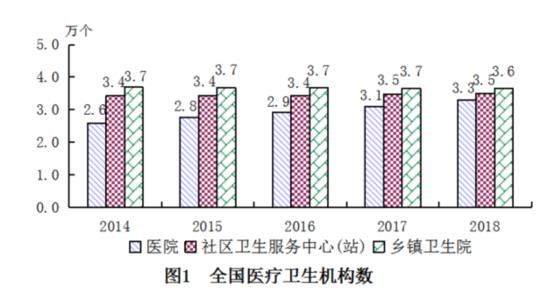
Promote the effective improvement of health service level. A subsidy of 68.5 billion yuan for basic public health services was issued to support the provision of basic public health services such as health education, vaccination and health management of key populations to residents free of charge. The per capita financial subsidy standard for basic public health service funds is raised from 79 yuan to 84 yuan per person per year. A subsidy of 32.3 billion yuan was issued to improve the medical service and support capacity, which promoted the comprehensive reform of public hospitals, the training of health personnel, the capacity building of medical and health institutions, and the inheritance and development of Chinese medicine. Support grass-roots medical and health institutions to implement the national basic drug system, implement the family planning service guarantee, carry out the prevention and control of major infectious diseases such as AIDS prevention and control, tuberculosis prevention and control, and promote the implementation of the national immunization program.
Promote the steady development of medical security. Reasonably raise the financing standard of medical insurance for urban and rural residents, issue 373.628 billion yuan of medical insurance subsidy funds for urban and rural residents, and increase the per capita financial subsidy standard of medical insurance for urban and rural residents by 30 yuan, reaching no less than 610 yuan per person per year. Consolidate the role of medical assistance in ensuring the bottom, issue medical assistance subsidy funds of 31.695 billion yuan, subsidize eligible people in difficulty to participate in insurance, subsidize their unaffordable basic medical expenses, and carry out emergency assistance for diseases. Strengthen the construction of medical insurance service capacity, issue a subsidy of 4.295 billion yuan for medical insurance service capacity construction, and support the work of medical insurance informationization, fund supervision, reform of medical insurance payment methods, centralized procurement of medical consumables, and price reform of medical services.
(4) Constantly improve the social security system.
First, the endowment insurance system has been further improved. Allocate 124 billion yuan of national overall adjustment funds for the basic old-age insurance for enterprise employees in advance, and rationally adjust the surplus and shortage of funds between regions. 926.4 billion yuan of basic pension transfer payment was issued to support local governments to issue basic pensions in full and on time. Adjust the basic pension level of retirees in enterprises, institutions and institutions, and raise the national minimum standard of basic old-age insurance for urban and rural residents. Further improve the national overall planning system and policy system, and promote the smooth implementation of the national overall planning system for endowment insurance.
Second, the coverage of the industrial injury and unemployment insurance system has gradually expanded. Accelerate the provincial-level co-ordination of industrial injury and unemployment insurance, improve the fund’s ability to resist risks, and ensure the timely and full payment of benefits and the fair and sustainable operation of the fund. Cooperate with relevant departments to carry out the pilot work of occupational injury protection in new employment forms and safeguard the legitimate rights and interests of workers in new employment forms.
Third, the protection of the people in difficulty has been continuously strengthened. The central government issued a subsidy of 154.683 billion yuan to help people in need, supported all localities to do a solid job in helping people in need, timely included eligible objects in the scope of policies such as subsistence allowances, and issued additional one-time living allowances for low-income objects and extremely poor people. Strengthen the assistance to unemployed people who have not participated in unemployment insurance and have no source of income, and issue one-time temporary assistance to unemployed people who meet the conditions and have difficulties in life.
(5) gradually improve housing security.
Efforts will be made to solve the housing difficulties of low-income families, new citizens and young people in cities and towns, and improve the living conditions of residents in shanty towns and old communities. Strengthen policy coordination and convergence. Focus on the development of affordable rental housing. Encourage local governments to fill shortcomings according to local conditions, rationally arrange public rental housing and affordable rental housing plans, comprehensively use physical security and rental subsidies, and take multiple measures to solve outstanding housing problems. Strengthen the performance management of urban affordable housing projects to ensure that policies are effective. In 2022, the central government allocated 70.8 billion yuan in subsidies for affordable housing projects in cities and towns, including 99,000 sets of public rental housing, 839,000 sets of affordable rental housing, 1.188 million sets of shantytowns and 50,900 old communities, involving 8.222 million households. We issued a subsidy of 6.28 billion yuan for the renovation of dilapidated houses in rural areas, and continued to support the renovation of dilapidated houses and rural houses for key targets such as low-income groups in rural areas.
(6) Promoting the vigorous development of cultural undertakings and cultural industries.
Support the integration of urban and rural public cultural service systems. The central government allocated 23.439 billion yuan for the construction of public cultural service system, supported the innovative implementation of the project of benefiting the people through culture, and guaranteed the basic cultural rights and interests of the people. Strengthen the protection and utilization of cultural relics and historical sites and the protection and inheritance of cultural heritage. Important progress has been made in the protection of revolutionary cultural relics and cave temples. We will continue to systematically record the representative inheritors of national intangible cultural heritage, and support the high-quality promotion of the construction of national cultural parks such as the Great Wall, the Grand Canal, the Long March, the Yellow River and the Yangtze River, and the construction of national version pavilions. Support the creation of fine literary works and the cultivation of talents. Arrange relevant funds and special funds to support literary and artistic creation and promotion in the fields of stage art, literature, publishing, film and television, documentaries, etc., and promote the construction of a talent team in the field of propaganda and ideological culture. Help the development of cultural tourism industry, implement tourism relief support policies, and support tourism to tide over difficulties and resume development. Promote the deepening reform of central cultural enterprises and promote the high-quality development of cultural industries. Promote the construction of a sports power and support the successful hosting of the Beijing Winter Olympics and Paralympic Winter Games.
Ten, deepen the reform and strengthen the management of coordinated progress, to further strengthen the supervision of financial management.
Actively play a breakthrough and leading role in fiscal reform, continue to deepen the reform of fiscal and taxation system around the modernization of national governance system and governance capacity, further consolidate financial management supervision measures, and continuously improve the level of fiscal governance.
(1) Accelerate the establishment of a modern fiscal and taxation system, and give full play to the effectiveness of fiscal governance.
First, the reform of the budget management system continued to advance. Implement the "Opinions on Further Deepening the Reform of Budget Management System" and push the budget management level to a new level. Deepen the publicity of the budget and further improve the transparency of the budget. Improve the performance management system, accelerate the construction of an all-round, whole-process and full-coverage budget performance management system, promote the quality and efficiency of budget performance management, and further improve the allocation efficiency and use efficiency of financial resources.
Second, the reform of the tax system has been deepening. We will implement a larger-scale combined tax and fee support policy, improve the VAT credit and tax rebate system, and expand the industry scope of the full refund of VAT credit and tax rebate policy. Further improve the personal income tax system that combines comprehensiveness and classification, and set up a special additional deduction for personal income tax for infant care under 3 years old. Do a good job in the connection of relevant preferential policies after the implementation of the stamp tax law, and further clarify the policy implementation caliber of stamp duty. Implement the statutory principle of taxation and actively promote the legislation of value-added tax, consumption tax, customs duties and other taxes. Improve the local tax system, combined with consumption tax legislation, study and promote the reform of the backward consumption tax collection link.
Third, the financial system is improving day by day. We will implement the reform plan for the division of financial powers and expenditure responsibilities between the central and local governments in the fields of health care, transportation and natural resources, and further clarify the scope of responsibilities between the central and local governments. Improve the relevant transfer payment management measures, rationally arrange transfer payment funds, improve the central-local balanced transfer payment methods, and standardize the transfer payment management of the central government to local resource-exhausted cities and key ecological function areas. Submitted to the General Office of the State Council for printing and distributing the Guiding Opinions on Further Promoting the Reform of the Financial System below the provincial level, and further rationalizing the financial relations between the governments below the provincial level.
Fourth, reforms in the fields of state-owned assets and state-owned enterprises have been steadily advanced. Implement the work related to the three-year reform of state-owned enterprises and promote the further deepening of the reform of state-owned state-owned enterprises. Improve the state-owned assets management system and speed up the revision of the Measures for the Administration of State-owned Assets Evaluation. Improve the reporting system of state-owned assets management. Deepen the reform of state-owned financial capital management and carry out special actions for the registration of property rights of state-owned financial capital. Study and improve the authorized management system of state-owned financial institutions and promote the reform of key state-owned financial enterprises.
(2) Accelerate the integration of construction budget management, and steadily improve the level of budget management informationization.
The integration of budget management takes unified business norms and technical standards as the core and integrated information system as the carrier, aiming at promoting the integration, coordination and efficiency of various budget management systems, which is the main support and important content for further deepening the reform of budget management systems. According to the deployment requirements of the State Council’s "Opinions on Further Deepening the Reform of Budget Management System", the Ministry of Finance has accelerated the overall operation of budget management integration. The integration of central budget management was fully promoted and implemented on the basis of successful pilot projects, and all central budget units carried out the compilation and compilation of the central department budget in 2023 through the integrated system of central budget management. The budget execution business is switched to the central budget management integration system in three batches. All local provinces have realized the online operation of the integrated budget management system, and basically covered the financial departments and budget units at the provincial, city and county levels. The local budget management integration system is connected with the national budget management data collection system, uploading financial budget data at all levels on a daily basis, realizing automatic collection of budget data and automatic tracking of transfer payment funds, which provides a powerful starting point for realizing overall planning of financial resources, adjusting and optimizing expenditure structure and improving the direct mechanism of normalized financial funds.
(3) Strengthen the prevention and resolution of major risks, and firmly hold the bottom line of no systemic risks.
Actively prevent and resolve local government debt risks. Adhere to the principle of opening the "front door" and strictly blocking the "back door" to form an effective "closed loop" system. In combination with the financial situation and debt risks in various places, reasonably calculate the debt limits in different regions, control the scale of new local government debt limits in high-risk areas, and avoid the continuous accumulation of risks; Strengthen information sharing and collaborative supervision among departments, unify understanding, unified caliber and unified supervision, and form a joint force of supervision; Resolutely curb the increase of implicit debt, steadily and orderly resolve the stock of implicit debt, publicly report the typical cases of implicit debt accountability, and play the role of accountability warning; Promote the disclosure of local government debt information and improve the transparency of local government debt. Effectively guard against the operational risks of grass-roots finance. Start the monitoring and early warning mechanism of treasury security in key counties and districts of the country, monitor the balance and security level of treasury on a daily basis, and give early warning to counties and districts with low security level of treasury. After receiving the early warning notice, the relevant provincial financial departments will understand and verify the situation at the first time and urge them to deal with it. Cooperate with the prevention and resolution of financial risks, cooperate with the establishment of financial stability guarantee funds, cooperate with the promotion of financial legislation, base on financial functions, adhere to the principles of marketization and rule of law, and support the proper response to various potential risks.
(4) Strict financial discipline and effective financial supervision.
First, strengthen the construction of accounting supervision system and mechanism. To study and draft the Opinions on Further Strengthening Accounting Supervision, and promote the improvement of accounting supervision system and working mechanism. Solidly promote the revision process of the Accounting Law of People’s Republic of China (PRC), the Law of People’s Republic of China (PRC) on Certified Public Accountants and the Regulations on Penalties and Punishment for Financial Violations, and introduce such institutional measures as the Measures for Supervision and Inspection of Accounting Firms, the Measures for Management of Self-examination and Self-correction Reports of Accounting Firms, and the Measures for Integrated Management of Accounting Firms, and strive to build a long-term institutional mechanism for accounting supervision.
The second is to conscientiously perform the duties of accounting supervision. We will continue to rectify the accounting and auditing order, and carry out rectification of accounting firms’ "unlicensed operation", online sales of audit reports, certified public accountants’ nominal practice, and certified public accountants’ practice beyond their competence. We will do a solid job in the special inspection of major cases in the accounting field, such as the practice quality of some accounting firms, announce the inspection and punishment of accounting firms in 2021, and promote the healthy development of the CPA industry. Improve the information supervision and service level of the CPA industry, launch a unified supervision platform for the CPA industry, and unify the entry and business handling rules for the CPA industry. We will implement nationwide verification codes for audit reports and promote the establishment of a single source system for audit report data. Promote some listed companies, accounting firms and banking financial institutions to carry out the pilot work of bank letters and certificates.
The third is to strengthen financial supervision and evaluation. Focus on the central government’s major decision-making arrangements and key areas, organize special inspections on hidden debts of local governments, financial operations in low-income counties, illegal return of income, and management of local financial accounts, continue to promote rectification of illegal construction of buildings and halls, strengthen overall guidance, and standardize financial management. We will continue to increase the intensity of key performance evaluation, focusing on key areas such as science and technology, culture, agriculture and rural areas, and organize 72 projects with 1.3 trillion yuan of funds to carry out financial key performance evaluation. For the first time, we will include the issuance of government bonds and interest payments, infrastructure investment projects at the central level, and state-owned capital operating budget projects at the central level. Do a good job in post-evaluation of transfer payment and major expenditure policies, and improve the efficiency of transfer payment funds and the effectiveness of major expenditure policies.
XI. Prospect of fiscal policy
In the second half of the year, the Ministry of Finance will adhere to the guidance of Socialism with Chinese characteristics Thought of the Supreme Leader in the New Era, conscientiously implement the decision-making arrangements of the CPC Central Committee and the State Council, adhere to the general tone of striving for progress while maintaining stability, fully implement the requirements of preventing the epidemic, stabilizing the economy and ensuring safety in development, effectively coordinate the prevention and control of the epidemic and economic and social development, better coordinate development and safety, implement a detailed and solid package of policies and measures to stabilize the economy, continue to do a good job of "six stabilities" and "six guarantees", and actively expand demand.
(1) Implement a proactive fiscal policy. We will continue to implement various combined tax and fee support policies and continue to release policy dividends. Seriously study and solve the outstanding problems reflected by market players, urge local governments to strengthen policy support, tap their own potential, increase support, and continue to help market players bail out development. Make good use of local government special bond funds and support local governments to make full use of special debt limits. Compacting the responsibilities of competent departments and project units, implementing the early warning mechanism of expenditure progress notification, and promoting the formation of physical workload as soon as possible. Strengthen the linkage between fiscal and monetary policies, support the landing of policy-oriented development financial instruments, and realize the comprehensive effect of expanding effective investment, promoting employment and promoting consumption.
(2) Strengthen financial support for major strategic tasks. Adhere to the problem orientation, continue to promote the breakthrough of key core technologies in key areas, support enterprises to strengthen technological research and development, and continuously improve their scientific and technological innovation capabilities. Support the overall promotion of key tasks of rural development, rural construction and rural governance, and firmly hold the bottom line of ensuring national food security. We will implement relevant fiscal and taxation policies to support the coordinated development of Beijing-Tianjin-Hebei, the construction of Guangdong-Hong Kong-Macao Greater Bay Area, the ecological protection and high-quality development of the Yellow River Basin, and the construction of Hainan Free Trade Port, so as to promote coordinated regional development. Support the vigorous development of renewable energy, and support the work of ensuring energy supply and price stability. Improve the emergency safeguard mechanism, improve the national reserve system and market regulation mechanism.
(3) Effectively safeguard and improve people’s livelihood. Actively respond to the epidemic, disaster, hot weather and other influences, and help the unemployed, those who need to be included in the minimum living allowance, and those who are temporarily in trouble in time. In terms of protection and assistance, the expansion of the encirclement should be guaranteed, and the basic livelihood of the people in need should be guaranteed. Consolidate and expand the achievements of poverty alleviation, accelerate the comprehensive promotion of rural revitalization, ensure that there is no large-scale return to poverty, and continuously improve the production and living conditions of people out of poverty. Broaden market-oriented employment channels, encourage enterprises to absorb employment through social security subsidies, venture loans, tax reduction and exemption, implement preferential policies to guide graduates to work at the grassroots level, and do everything possible to stabilize and expand employment. Continue to ensure that pensions are paid in full and on time, and do a good job in people’s livelihood such as compulsory education, basic medical care and basic housing.
(4) Strengthening the management of fiscal revenue and expenditure. Increase the overall planning of budget revenue, organize fiscal revenue according to laws and regulations, and vigorously revitalize existing funds. Strengthen budget constraints and performance management, accelerate the construction of expenditure standard system, further standardize expenditure management and optimize expenditure structure. Accelerate the overall operation of the integrated budget management system and improve the standardized, scientific and standardized level of budget management at all levels. Adhere to the government’s tight life, strictly implement the reduction of non-urgent and non-rigid expenditures, and free up more funds to stabilize market players, stabilize employment and protect people’s livelihood.
(5) Strengthen financial sustainability. Further deepen the reform of the fiscal and taxation system and accelerate the establishment of a modern fiscal system. In combination with promoting the reform of the financial system below the provincial level, we will improve the ability of grassroots financial security and firmly grasp the bottom line of "three guarantees" at the grassroots level. Regularly carry out the management verification of the use of special bond funds, strictly implement the management requirements of the negative list of special bonds, and ensure that the funds are used in compliance with the law. Strengthen departmental information sharing and collaborative supervision, resolutely curb new hidden debts of local governments, and support local governments to resolve hidden debts in an orderly manner.
(six) further serious financial discipline. Strengthen supervision and inspection around the major decision-making arrangements of the CPC Central Committee and the State Council, and promote the implementation of major fiscal and taxation policies. We will continue to standardize the order of financial auditing and increase penalties for financial fraud and other illegal acts. Improve the accounting supervision system and working mechanism, strengthen the coordination between accounting supervision and other supervision, make full use of modern information technology means such as "internet plus Supervision" and big data, and improve the supervision ability and effectiveness.